
Camouflage Syndrome
2024–Ongoing
Camouflage Syndrome is a long-term, cross-regional research-based art project centered on war-related military pollution. Explosions, destruction, and casualties often dominate people’s perception of war, leaving military pollution in a state of being easily overlooked. Yet military pollution does not disappear with the end of combat: explosions, fuel leaks, and the long-term persistence of war remnants continuously release toxic substances such as heavy metals and explosive residues, allowing contamination to seep into soil, vegetation, and ecosystems through sedimentation, dispersal, and delay.
Based on sustained field research across multiple sites in the Middle East and East Asia, the project traces these forms of contamination, which are often difficult to identify or attribute directly, as well as their belated ecological effects. Within this process, plants serve both as witnesses to contamination and as media for visual and material translation, while also pointing toward possible paths for post-war ecological remediation. Through collaboration with botanists and local communities, the project attempts to reorganize evidence of military pollution and, through attempts at phytoremediation, bring art and action back to contaminated sites.
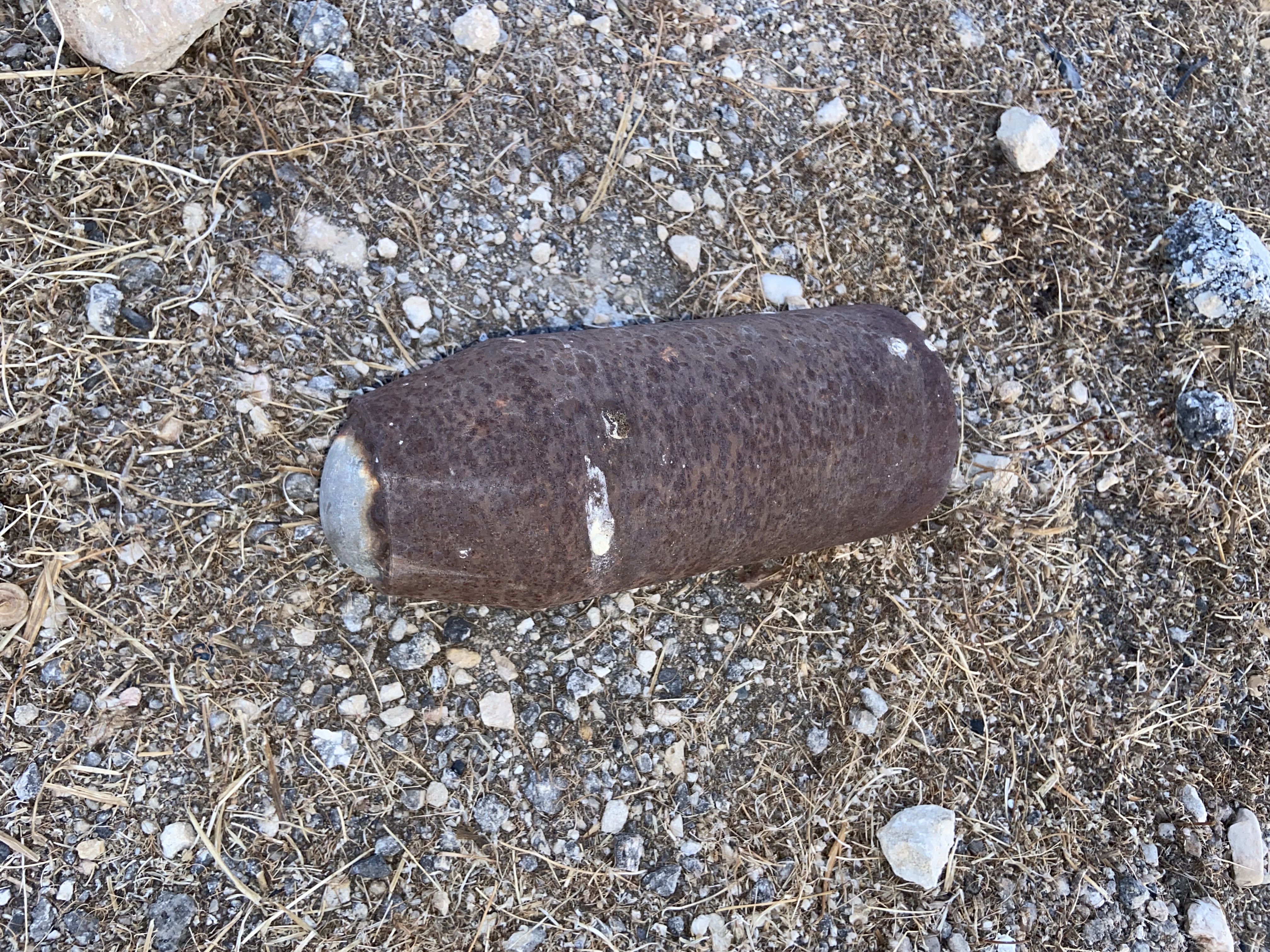
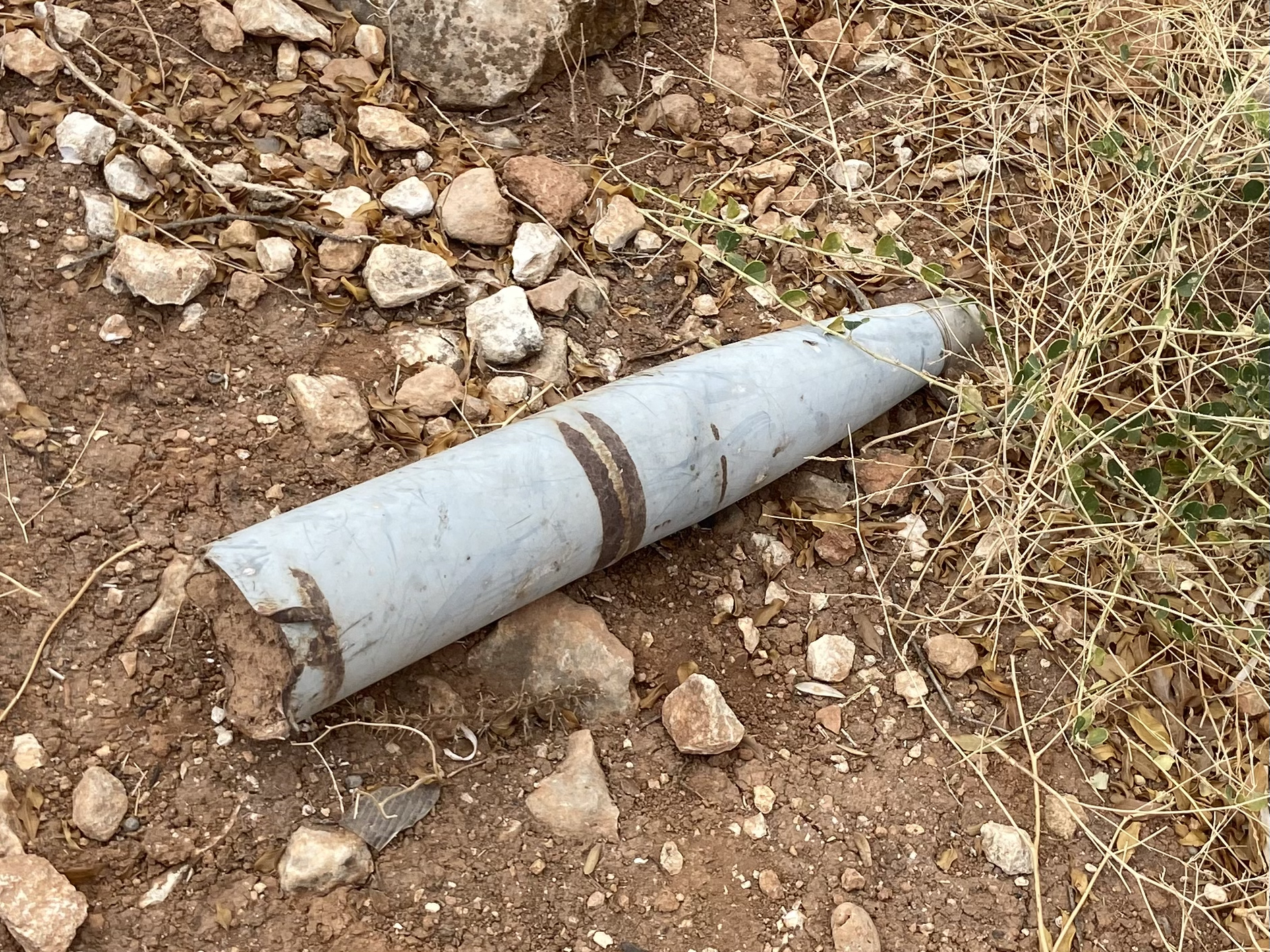
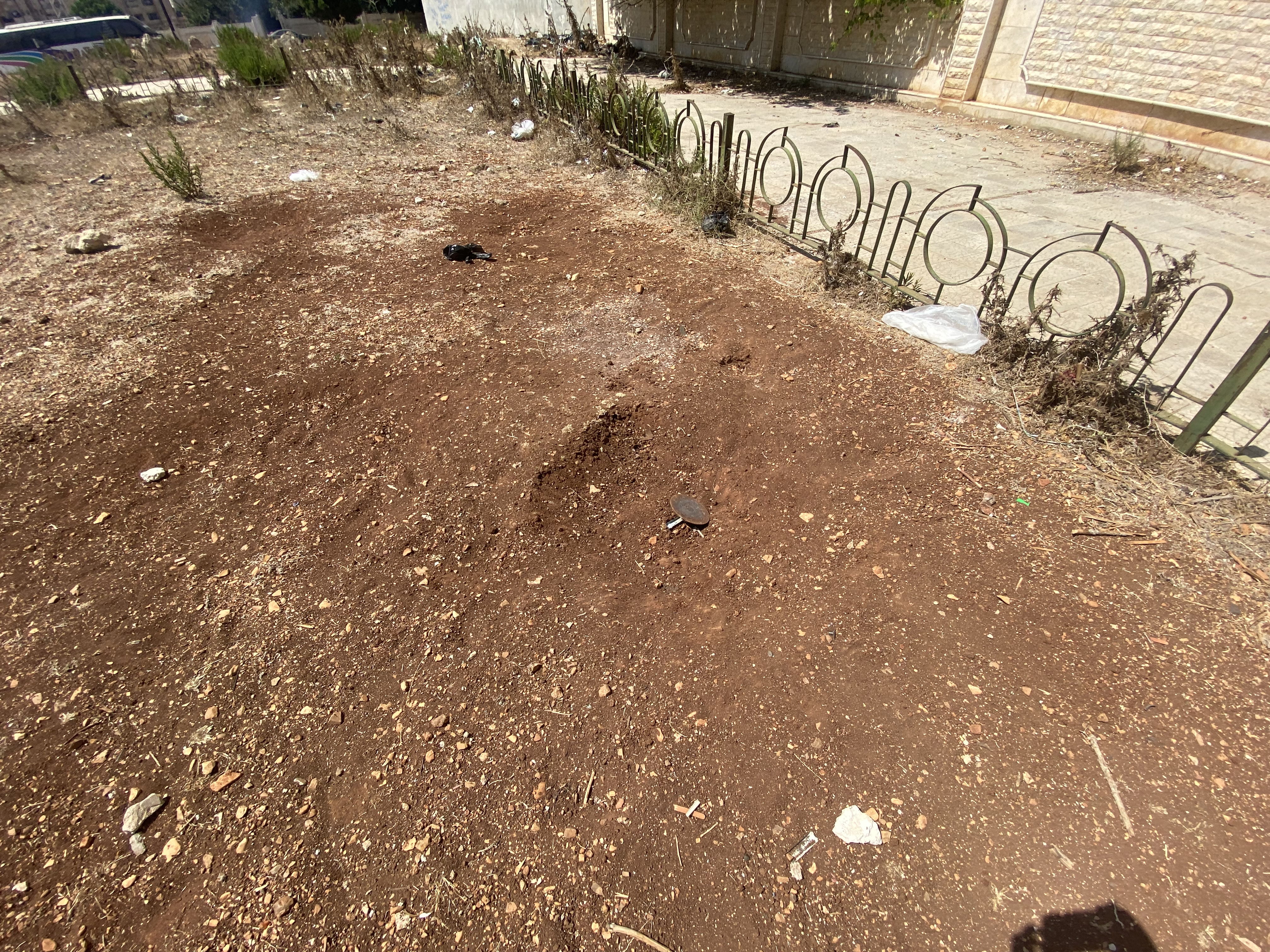
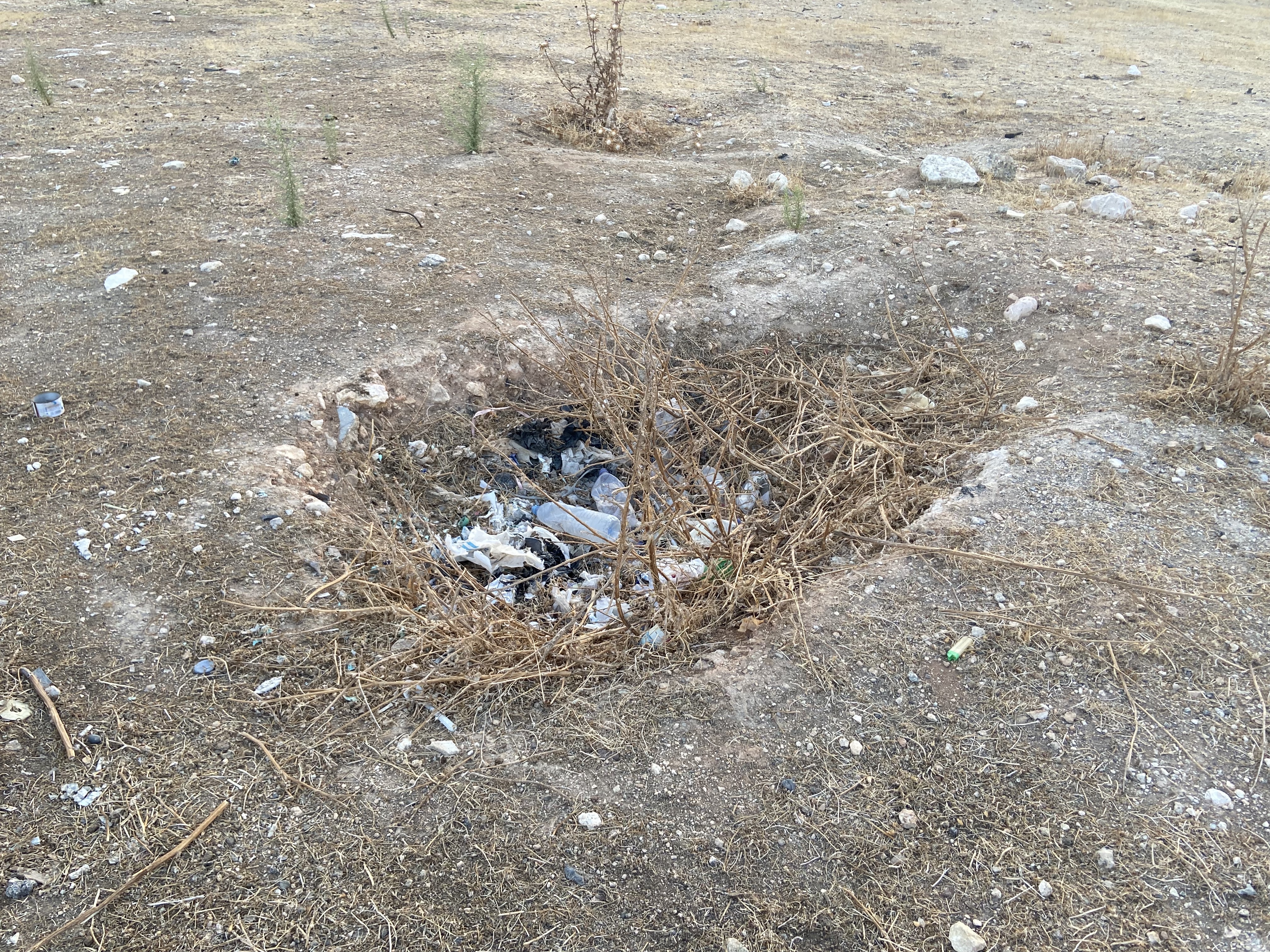
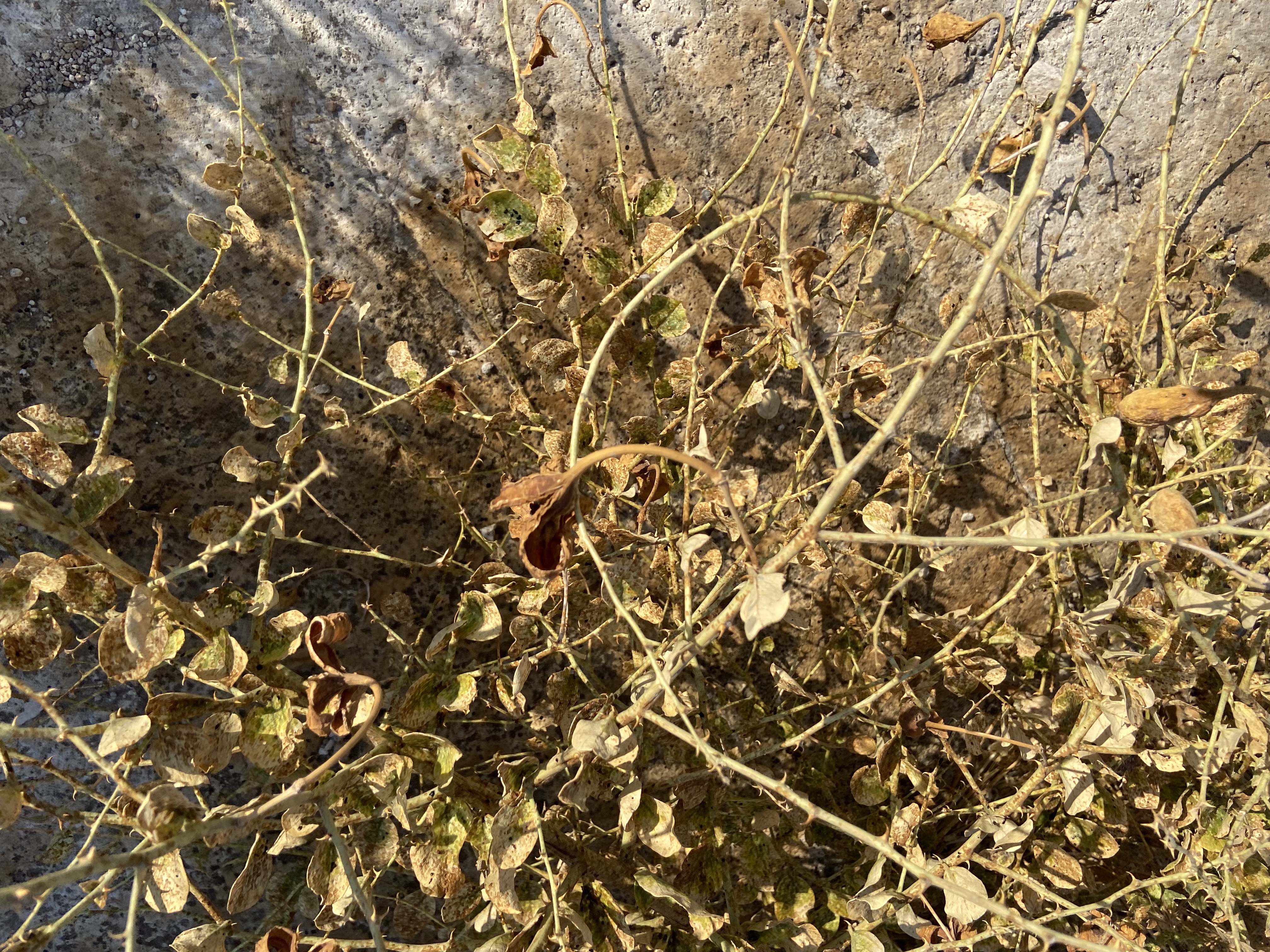
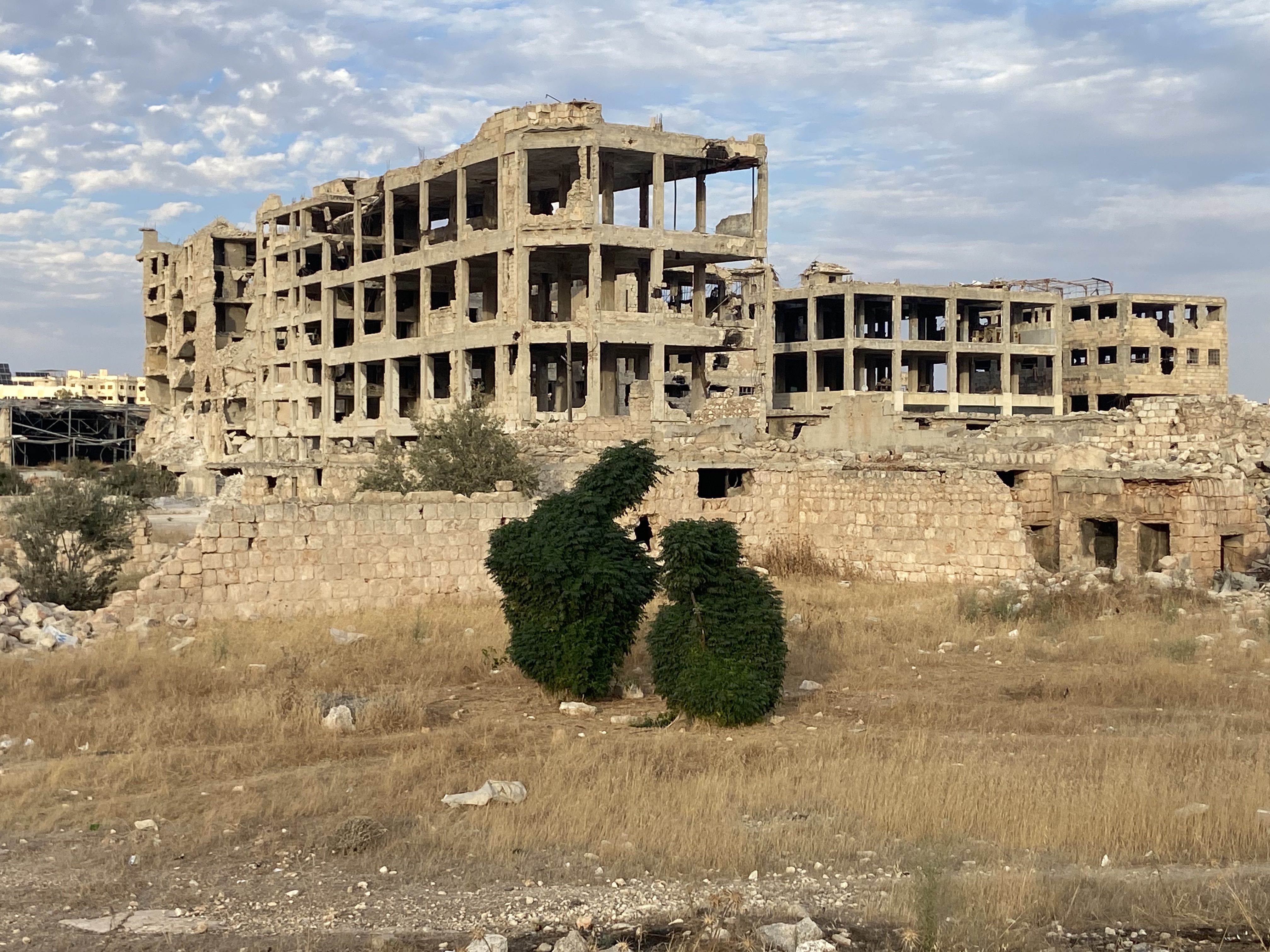
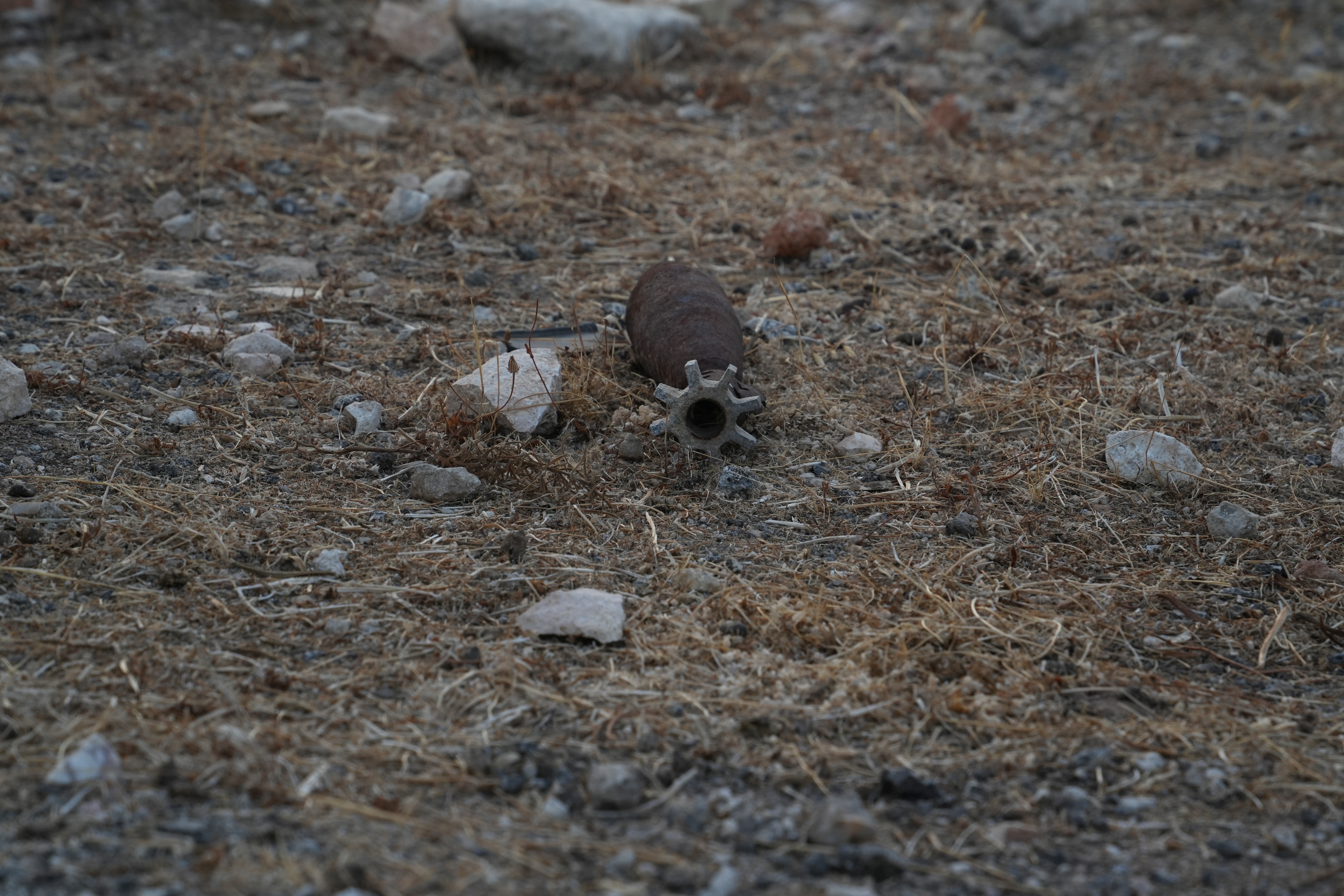
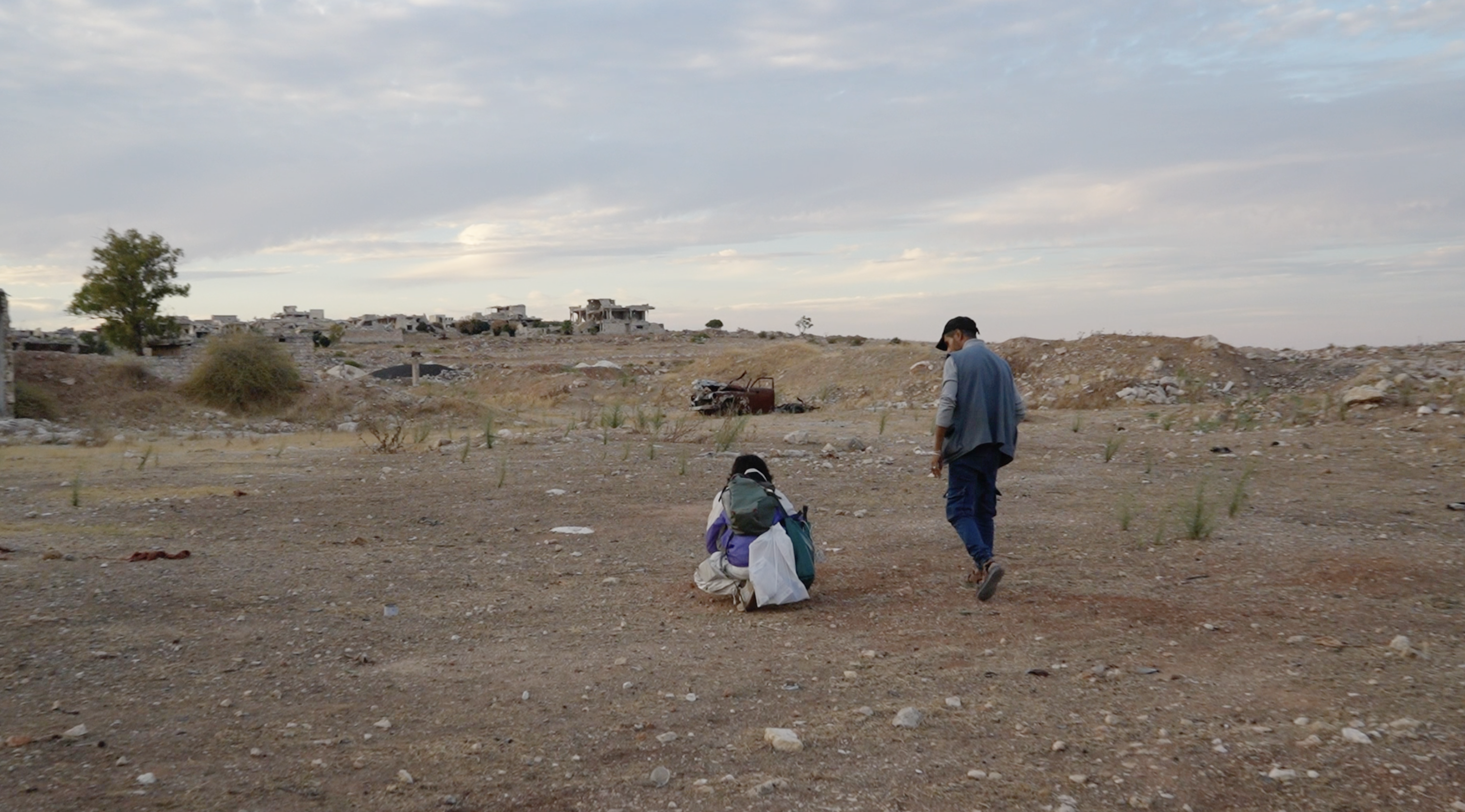
Photograph by Liu Shuai, Syria
Field
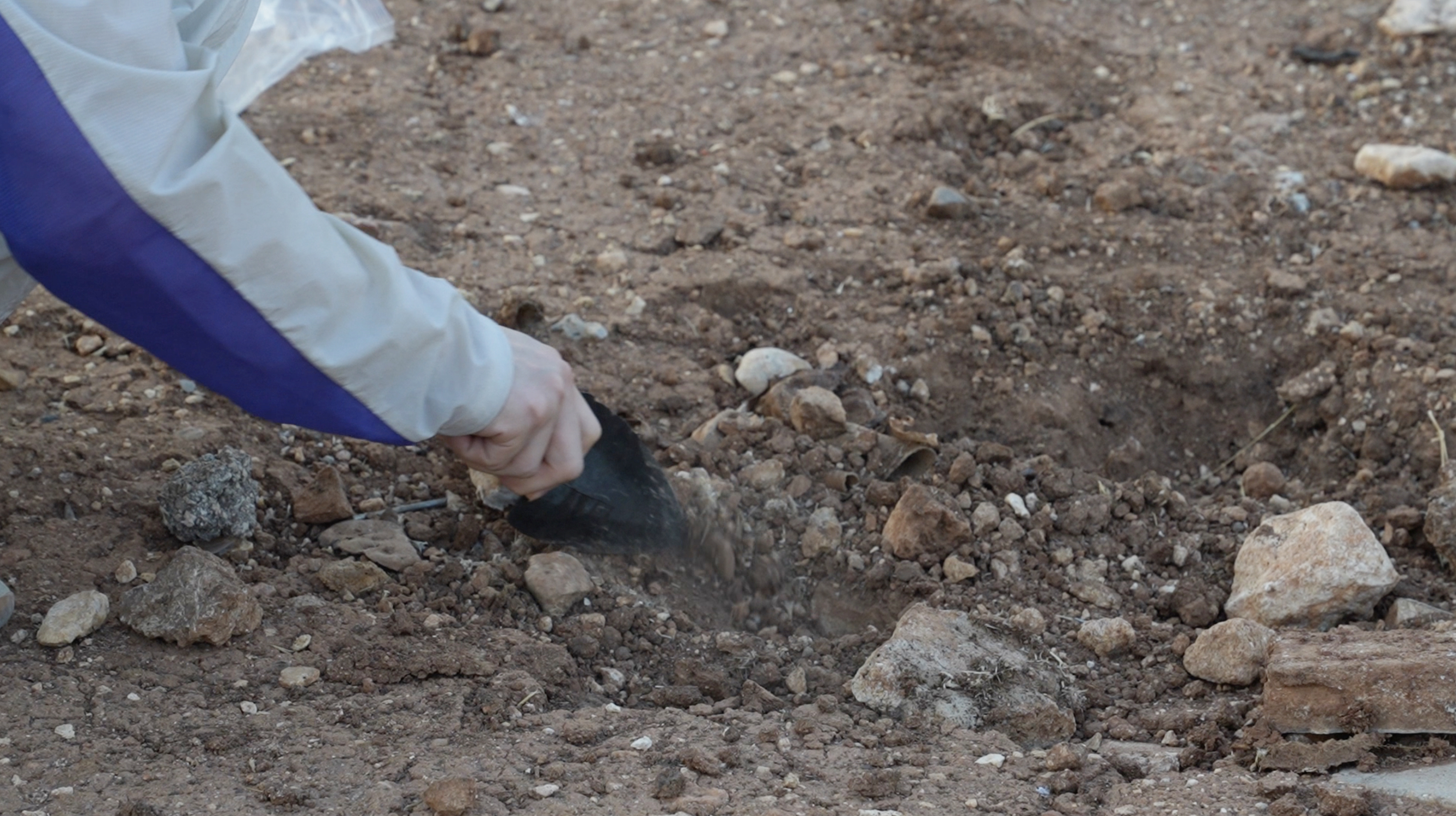
Since 2024, I have conducted fieldwork in northern Syria, Northeast China, and Laos, entering environments shaped by different phases of war. I collect and analyze soil and plant samples to trace how military pollution persists. Some of these samples come from non-hotspot areas that rarely enter public view, where contamination tends to remain dispersed, delayed, and difficult to identify.
The current phase of the work is primarily focused on northern Syria.
Traces
Camouflage
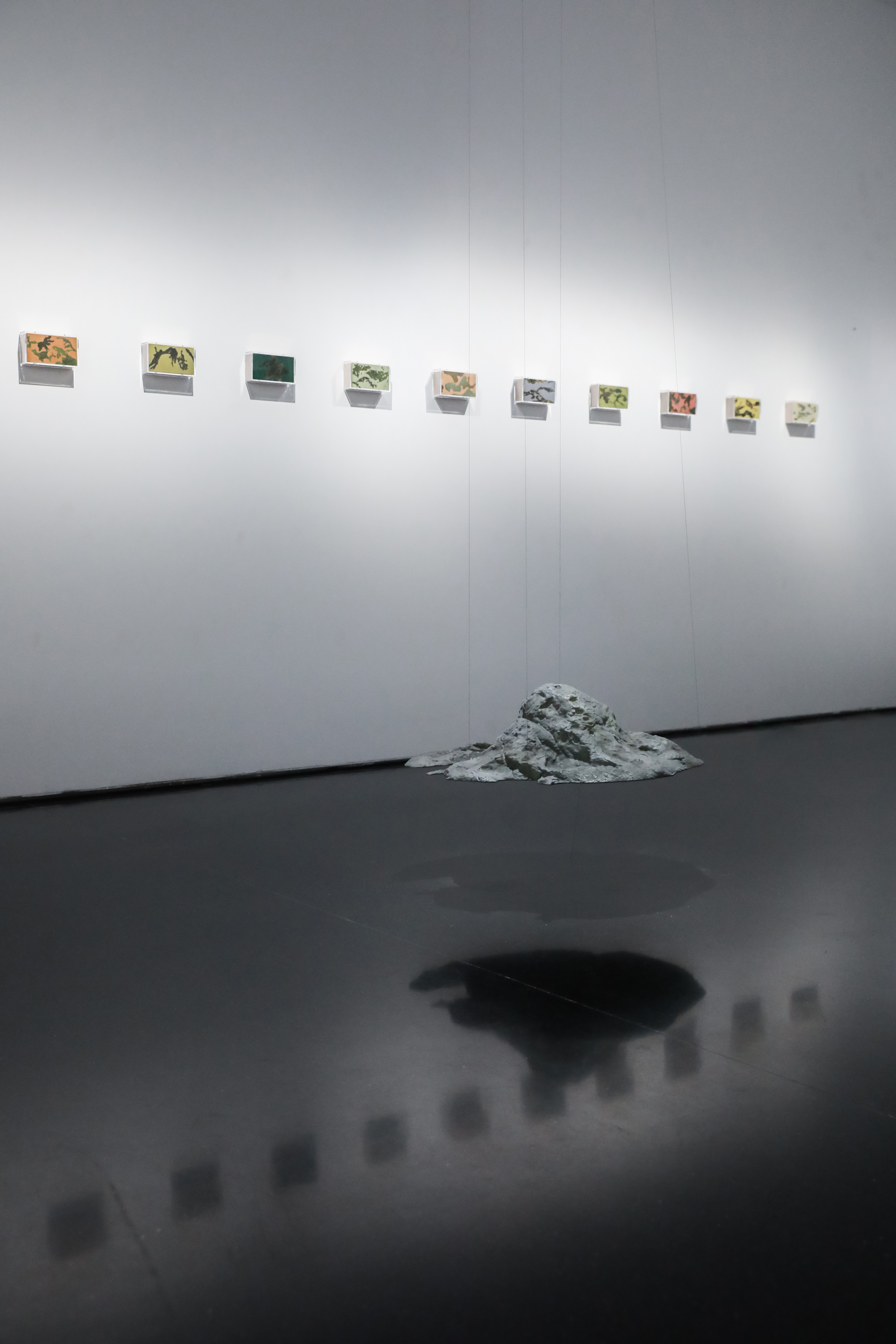
Materials: Fig, caper, lemon, and other locally occurring leaves (collected in northern Syria), soil, concrete dust, and cotton paper.
Variable dimensions
Near sites of explosions, I collected plant leaves that showed abnormal changes and conducted laboratory analyses. The results revealed significantly elevated levels of heavy metals such as nickel, chromium, cadmium, and lead—elements commonly associated with military pollution. Some of the leaves had developed discoloration, curling, and even necrosis during their growth, becoming a direct and open medium through which these pollutants are revealed. They form the core material of the project, even though they are inherently hazardous.
During my fieldwork, I encountered military camouflage patterns from different periods. Camouflage is the appropriation and occupation of the visual language of nature by human military systems. It also functions as the skin of different factions, forming a layered intersection of human politics, military systems, and the natural world. For local residents, the frequent yet constantly shifting presence of camouflage acts as a strong visual warning, even a trigger of trauma.
As my fieldwork continued, I gradually realized that the postwar landscape itself had taken on a camouflage-like condition. Military pollution is not entirely invisible; it leaves dispersed, delayed traces in the soil, in plants, and across the surface of the land. Yet these traces are often difficult to identify clearly or to attribute with certainty. In this sense, camouflage and pollution share a similar logic: both remain within the visible while continuing to evade recognition.
I cut and collage the affected leaves into camouflage patterns recorded during my fieldwork. Here, camouflage no longer serves concealment, but becomes a structure of revelation. Patterns once used to help military targets merge into their surroundings are turned into a way of registering the land’s response to the consequences of war.
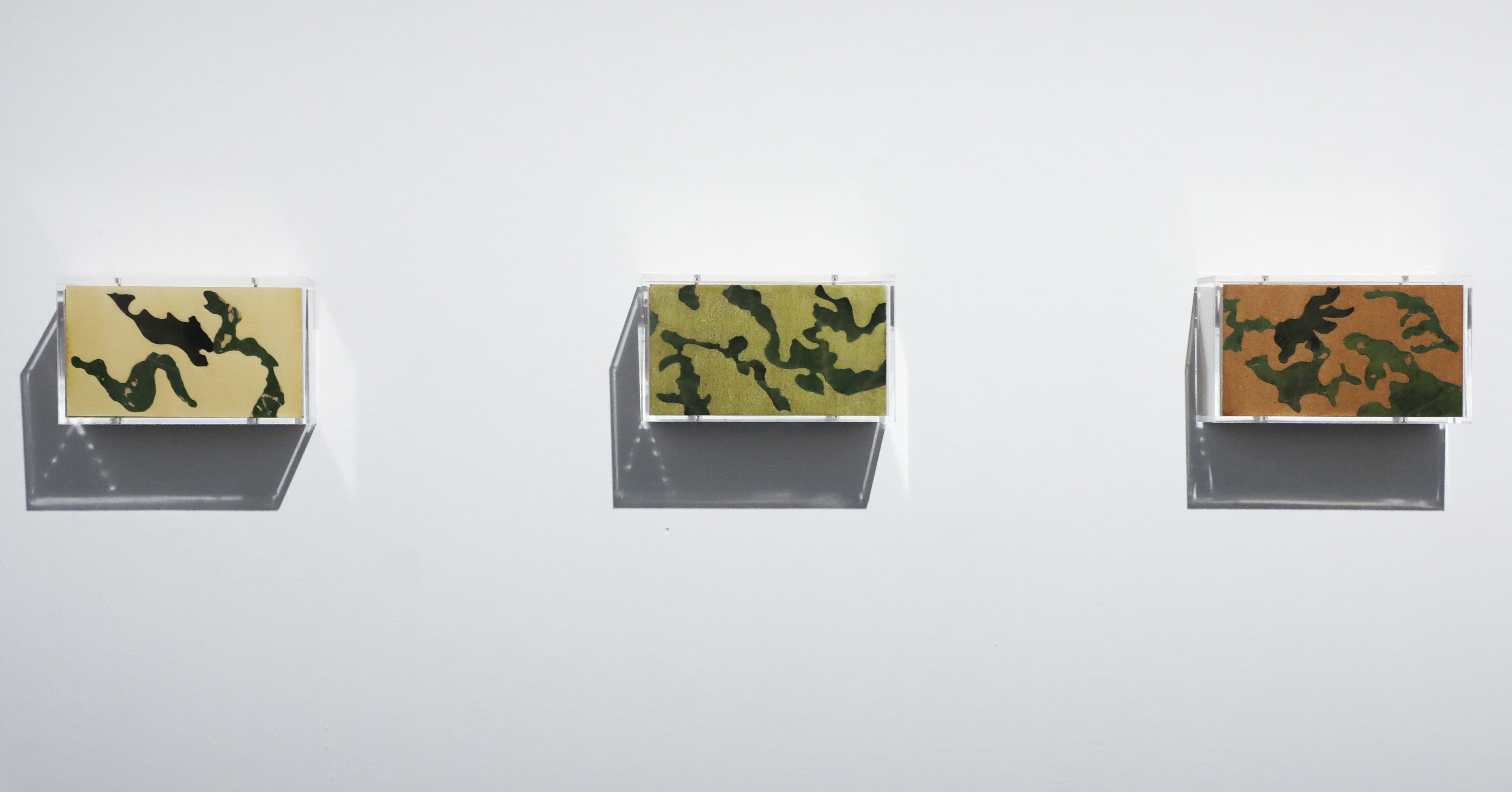
Installation views of the current phase are from Dive into the Field, Tank Shanghai, Shanghai
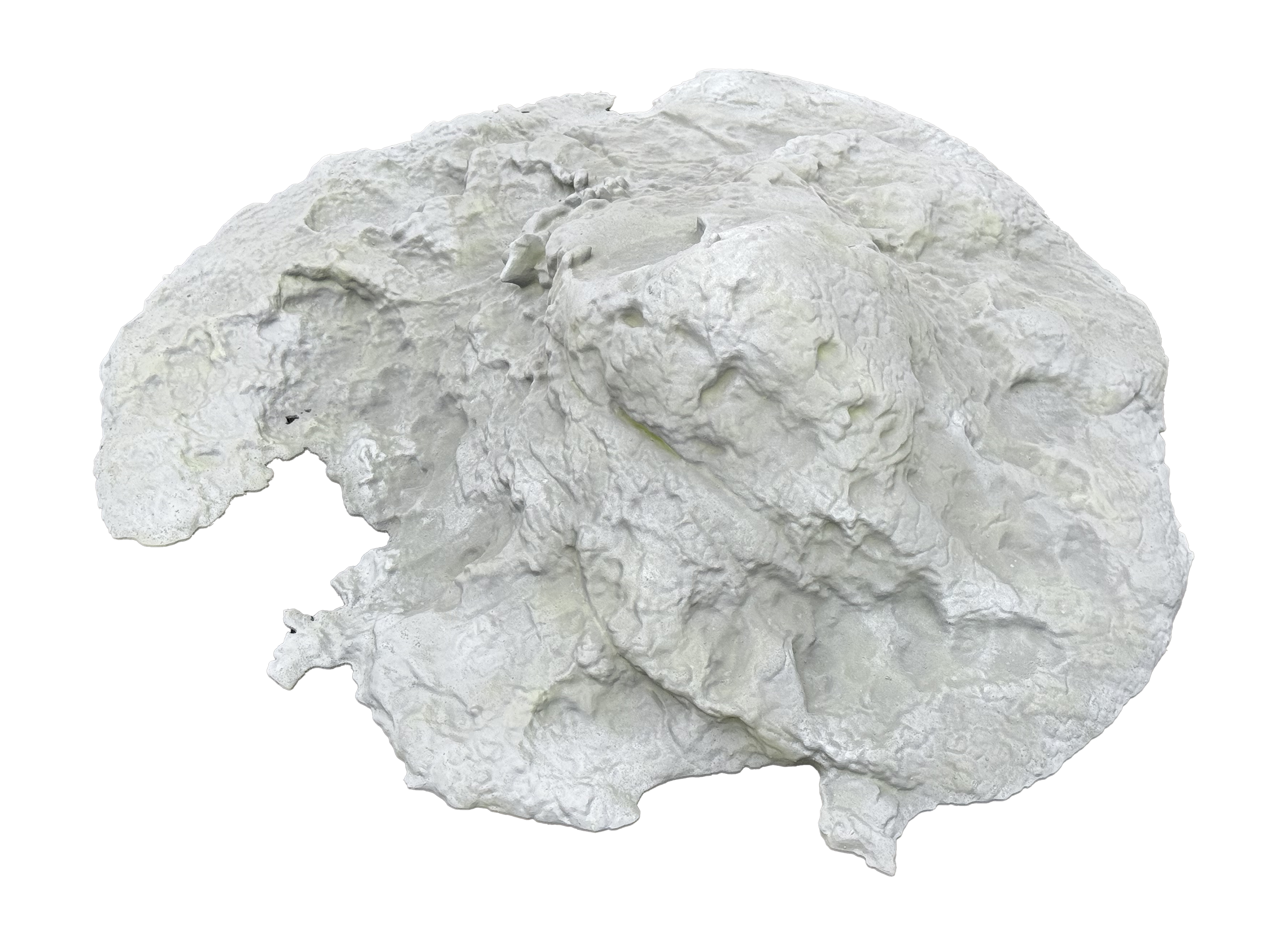
Crater
Materials: 3D-printed photosensitive resin
130 × 150 × 40cm
During my fieldwork, I encountered many craters. Soil sampling and analysis from some of them showed that, compared to surrounding samples, the pollutant levels in certain crater soils were higher. Explosions not only alter the surface form; the high temperature and shock also continue to affect the recovery of soil conditions for a period of time.
I carried out on-site surveying of the contours of some craters and, based on these, made their negative-form models. For me, a crater is not merely a trace left by an explosion; it is more like a geomorphic structure jointly shaped by weapon parameters, explosive energy, and surface conditions. The negative form allows this space—formed through excavation, erasure, and compression—to be directly seen. It both presents how violence enters the ground and points to those that were damaged, disappeared, or cannot be restored in the explosion.
This crater negative form is suspended at the center of the exhibition space.
Farm tools
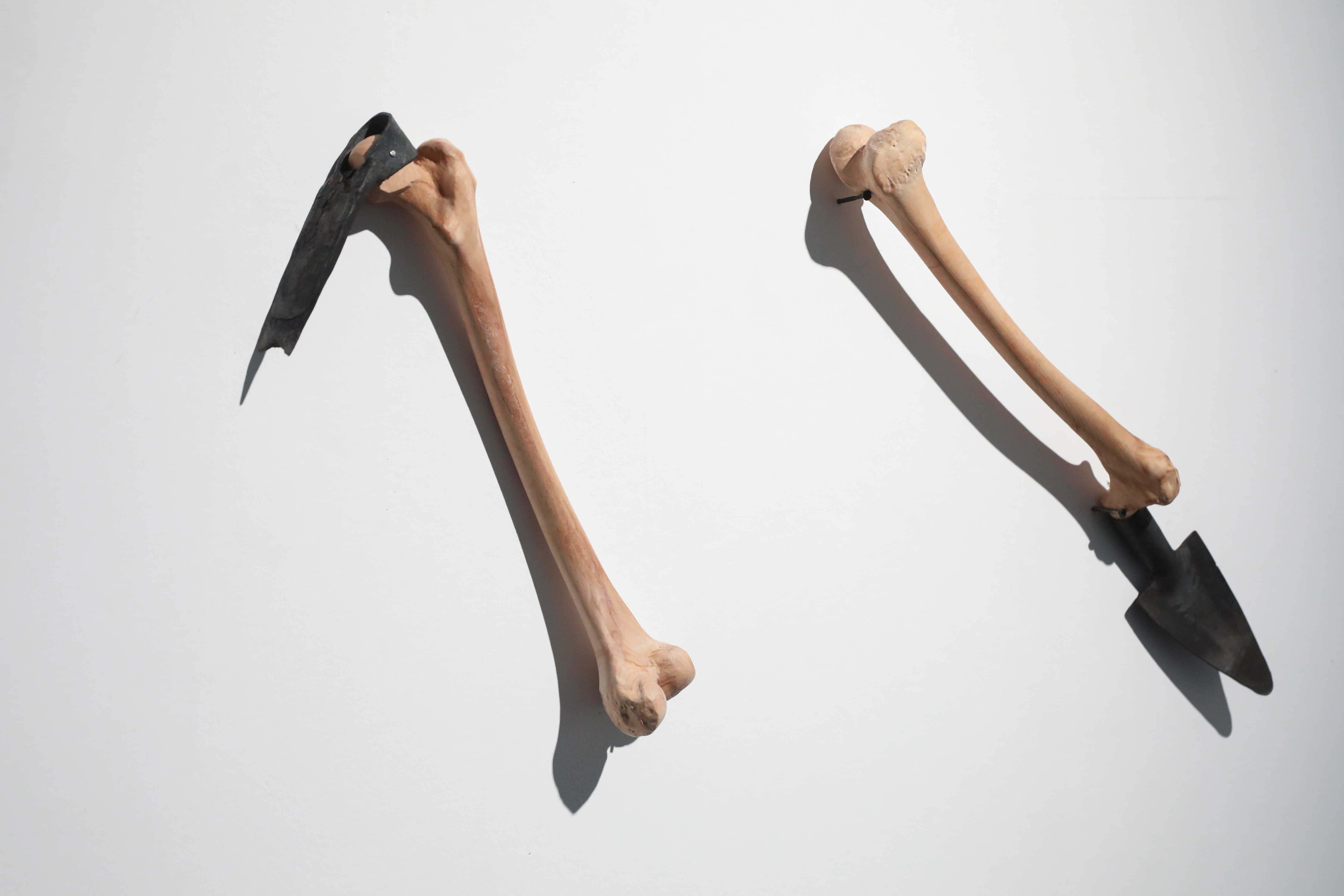
Materials: Shrapnel, basswood, nails
55 × 20 × 8cm
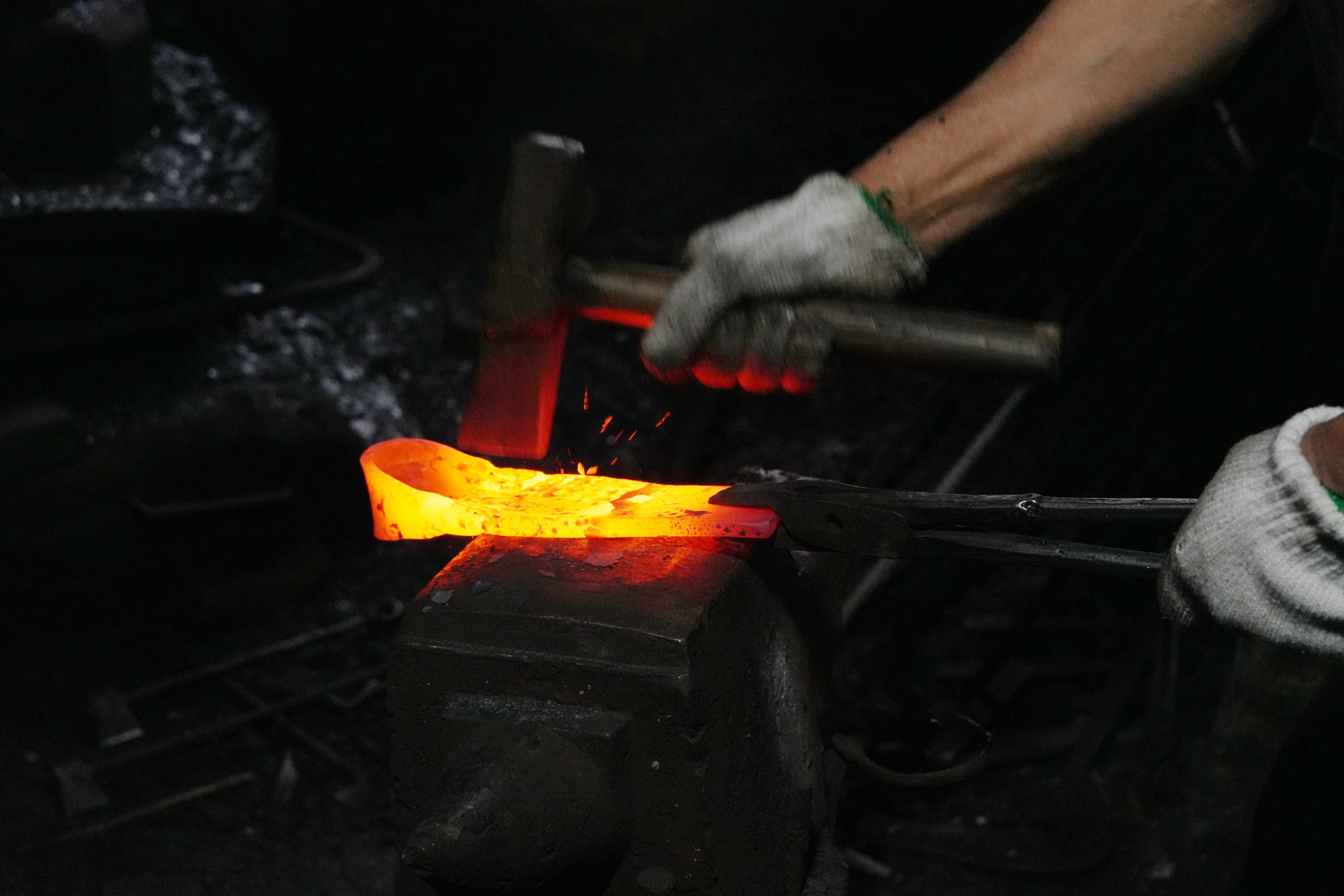
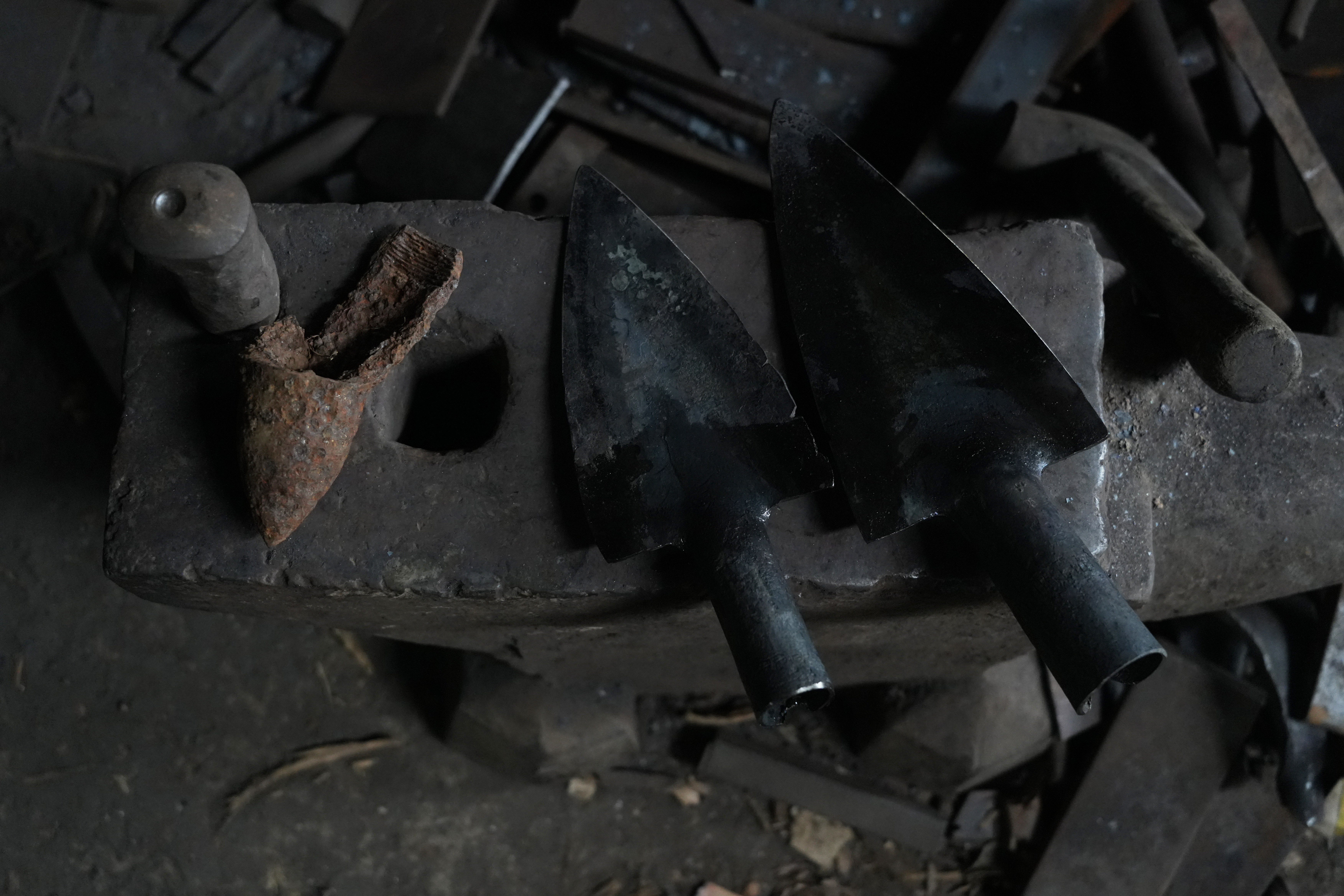
In old trenches, the remains of civilian houses, and farmland, I collected many fragments of shrapnel and forged them into a shovel and a hoe. Based on earlier soil analyses from selected contaminated areas, I worked with scientists to identify the pollutants present in several samples, and on this basis selected local plants with remediation potential, such as sunflowers. Using these two tools, I planted these species on a vacant plot, returning metal once used for war to the labor of restoring the land.
Hanger
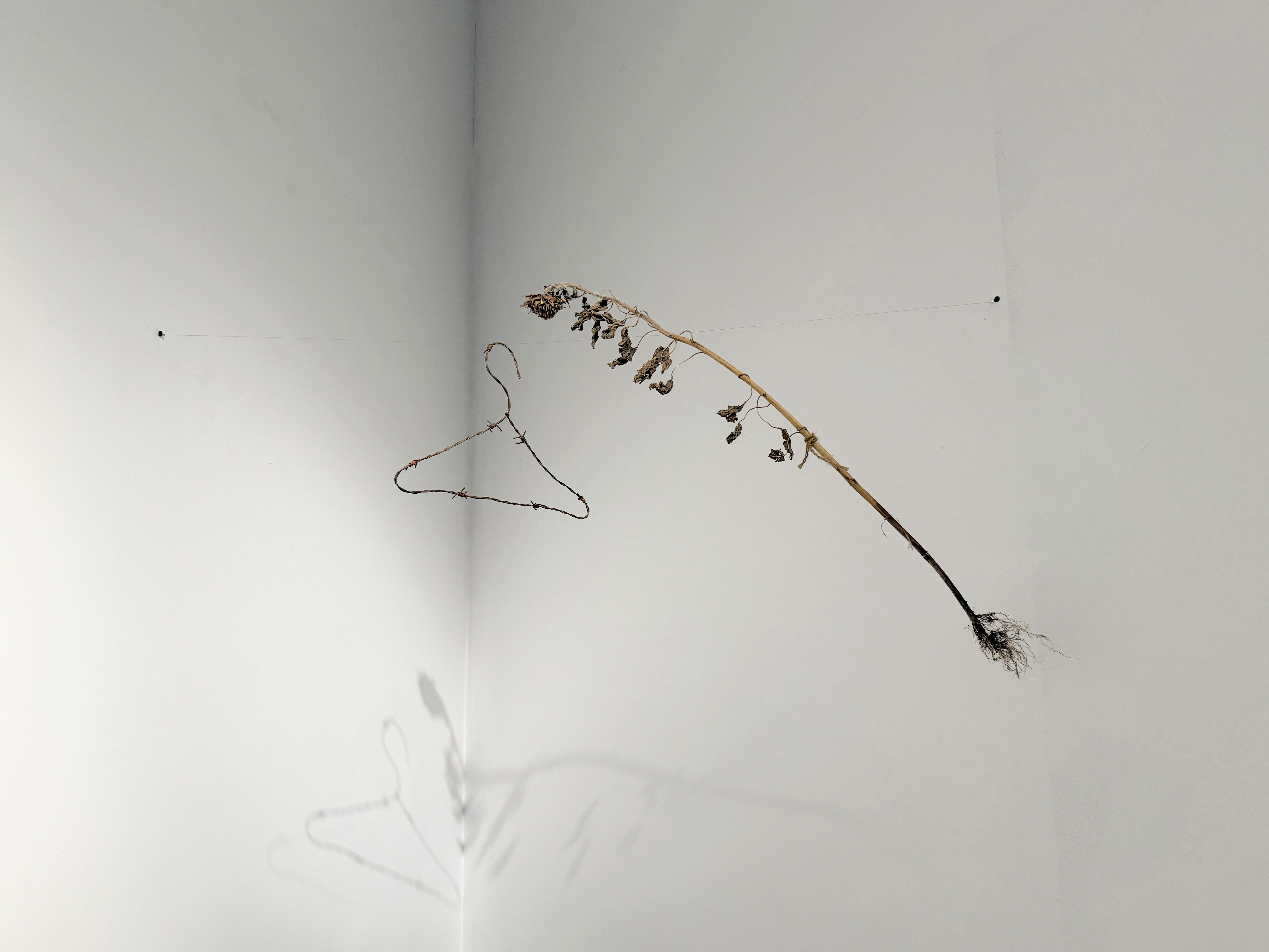
Materials: Barbed wire, sunflower
Variable dimensions
A rusted strand of barbed wire found in a former conflict zone in Syria was turned by me into a hanger, imagining that soldiers, when putting on or taking off their camouflage uniforms, would feel the pull and the sting.
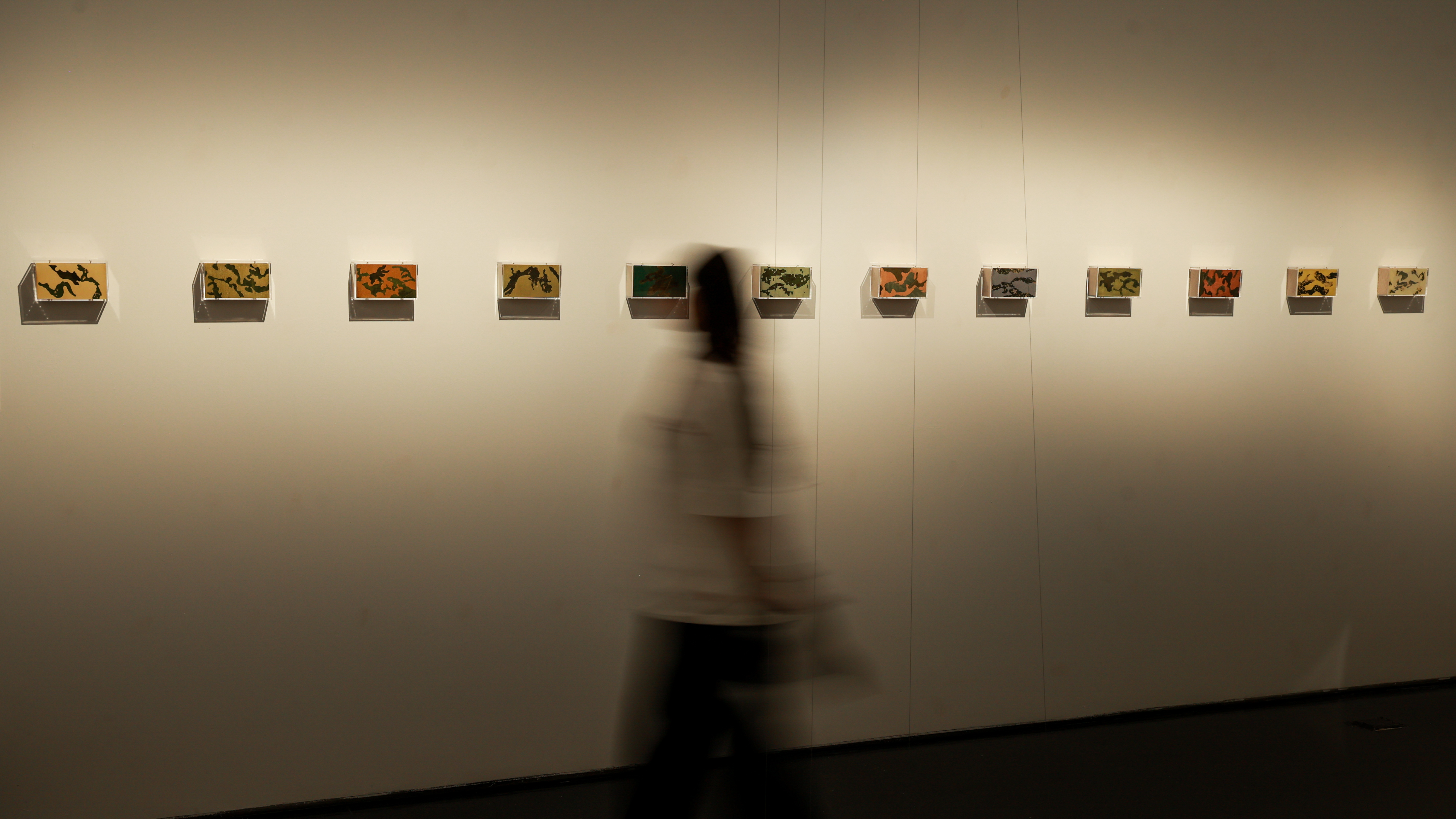
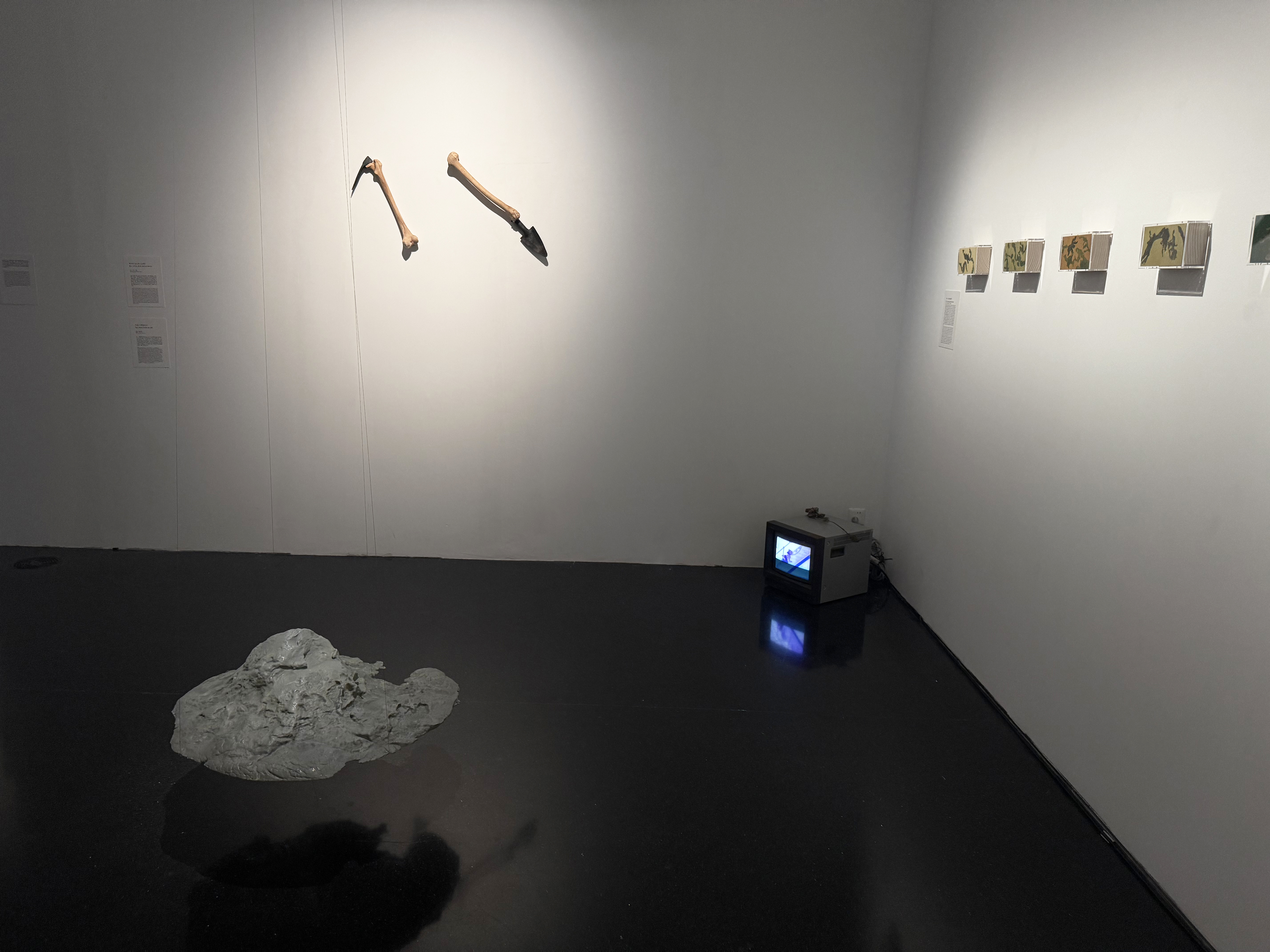
Installation views of the current phase are from Dive into the Field, Tank Shanghai, Shanghai.
Planting
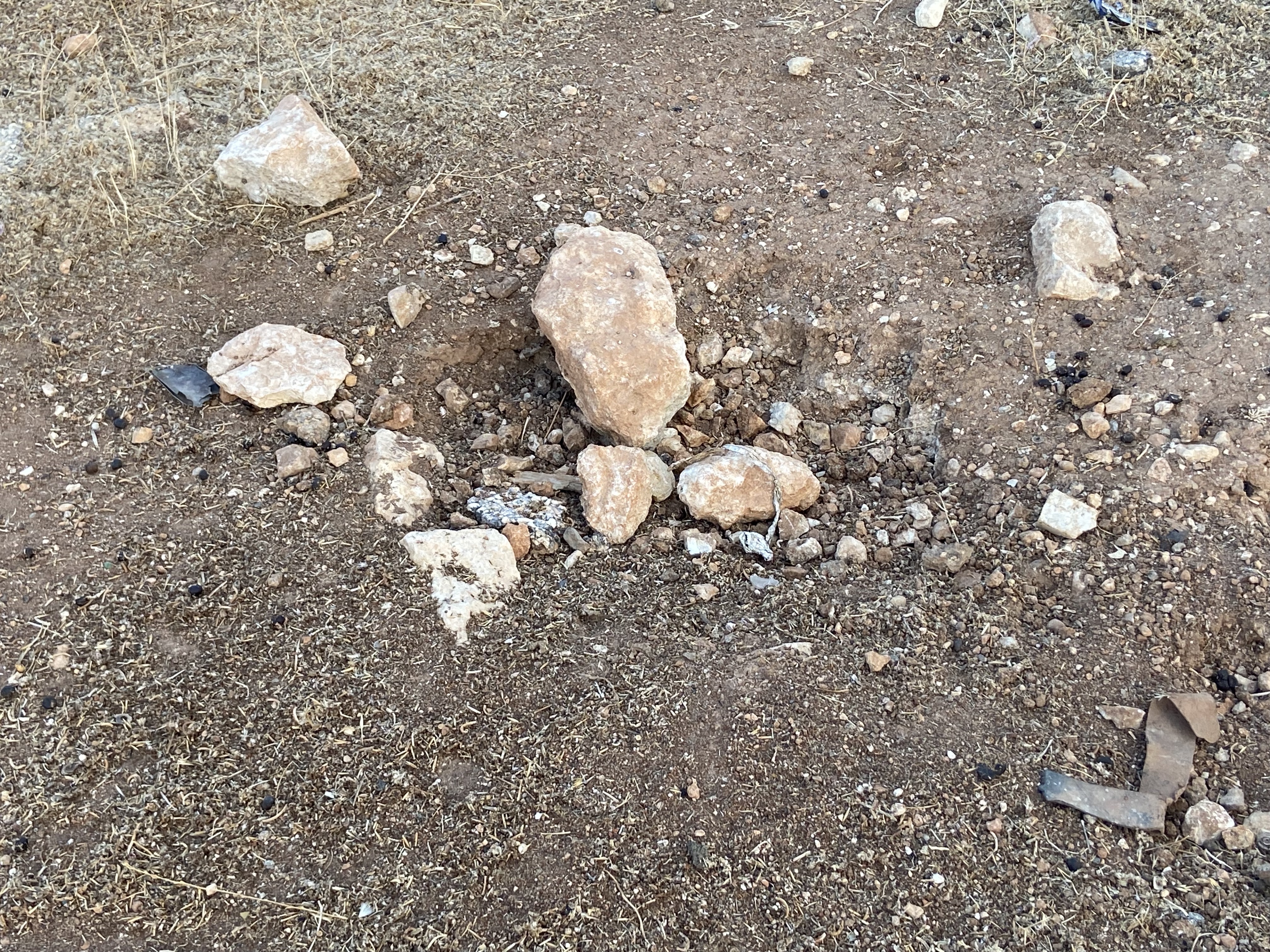
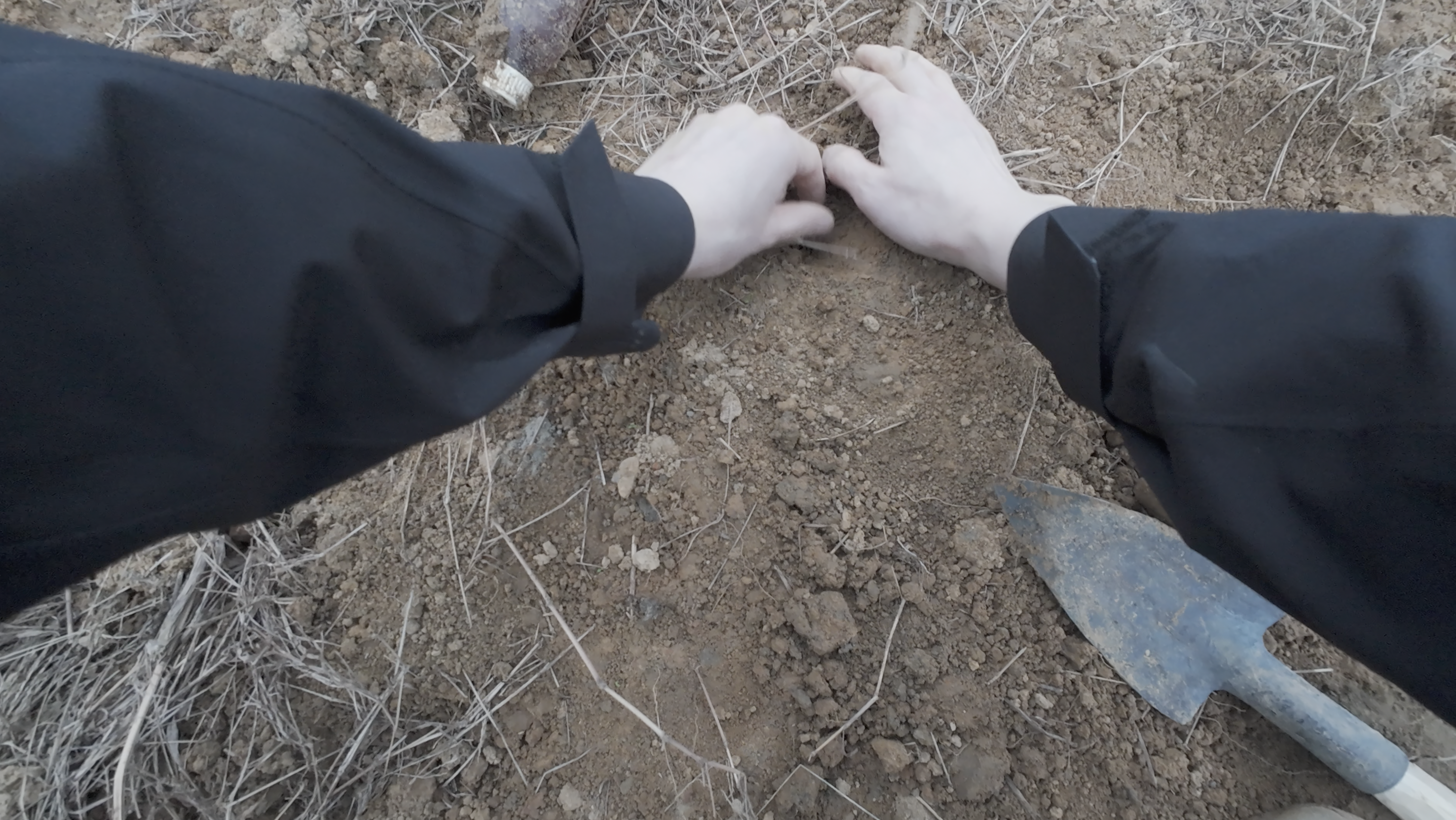
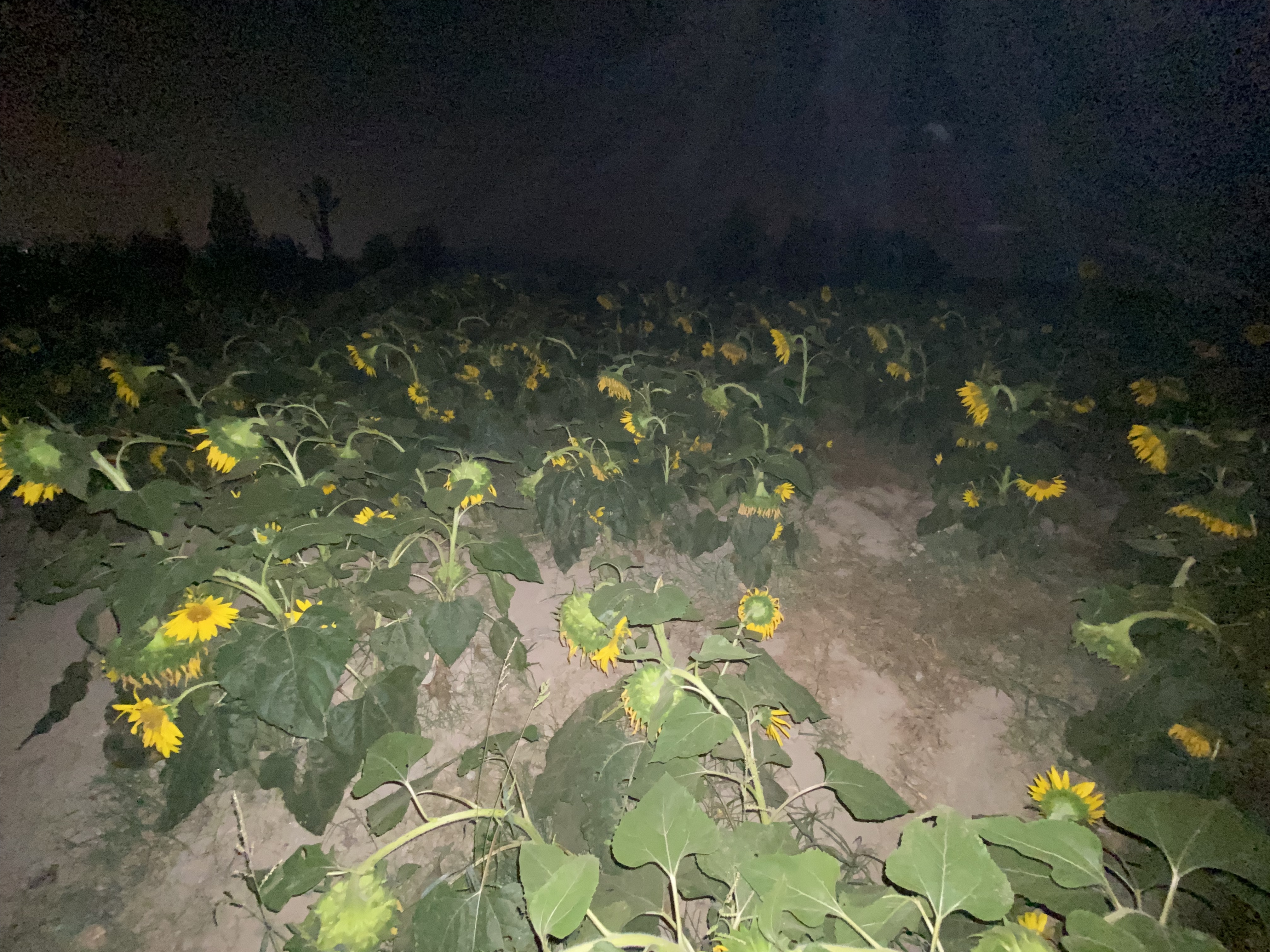
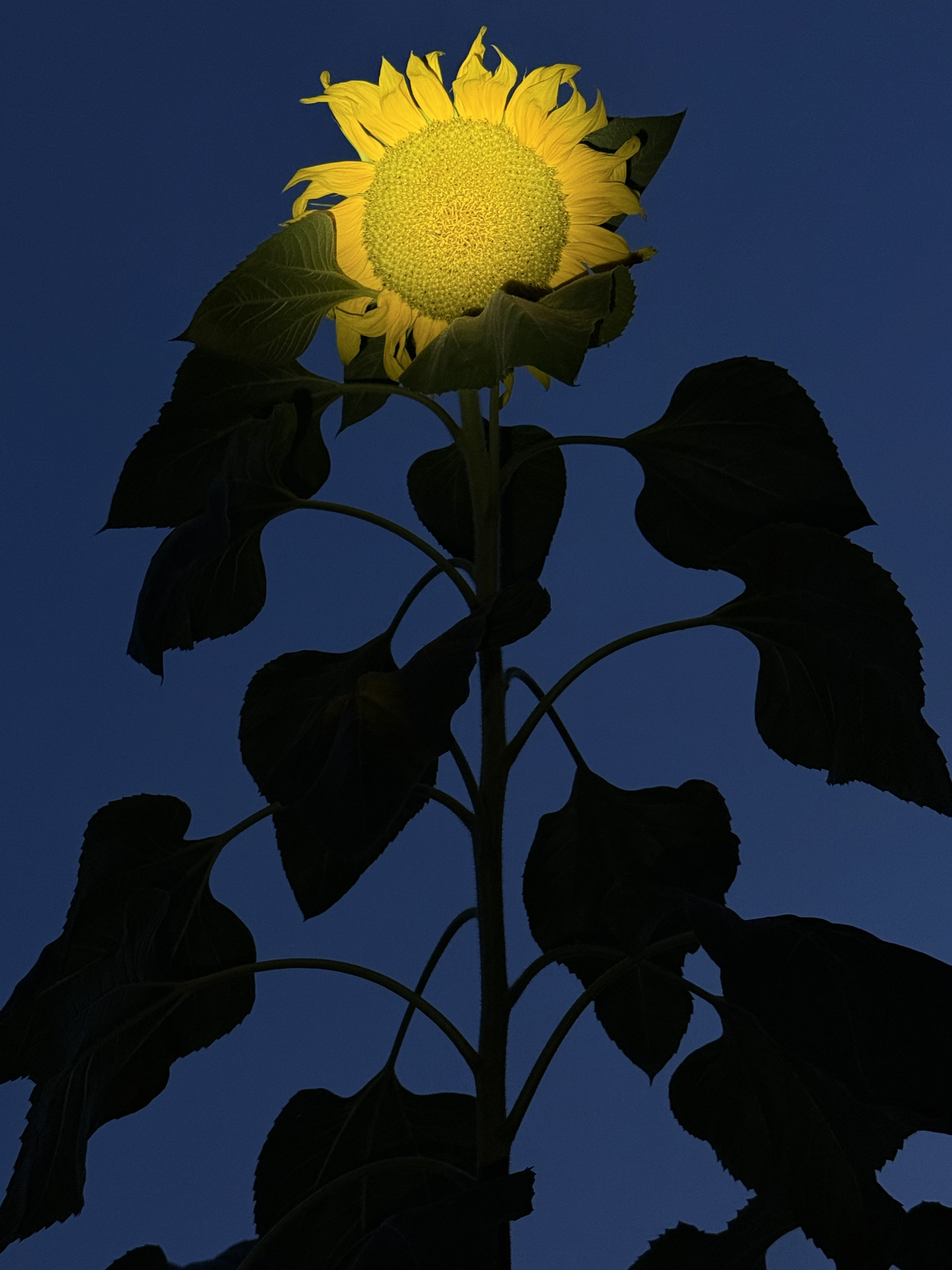
Photograph by Liu Shuai, Syria
On a suburban vacant lot north of Aleppo that had previously seen armed conflict, preliminary fieldwork and soil analyses indicated that concentrations of lead and cadmium were markedly elevated around blast craters. Drawing on existing research in phytoremediation, and in consultation with relevant specialists, I initiated a trial planting of a locally cultivated sunflower variety commonly grown by farmers in the area, placing them in the vicinity of the craters.
In 2025, a first batch of approximately fifty sunflowers was planted. This does not constitute remediation in an engineering sense, but rather a small-scale, in situ trial: to observe whether a common local crop can grow in areas with more concentrated contamination, and whether it may be capable of absorbing, immobilizing, or indicating the presence of lead, cadmium, and other heavy metals in the soil.
Over subsequent growing cycles, mature plants and the surrounding soil will be subjected to staged, repeated sampling and analysis. These results will be compared with the initial baseline data in order to observe the distribution and changes of lead and cadmium between plant and soil.
The roots, stems, leaves, and petals of these sunflowers will, following testing and appropriate safety handling, enter subsequent artistic work. In this way, the project not only brings material evidence of contamination from the site into exhibition contexts, but also attempts to return artistic practice to the affected ground itself: plants participate in the remediation trial while simultaneously becoming new forms of evidence and material, forming a cycle that moves from field research and pollution identification to artistic translation and back to the site.
The root of one sunflower has already been made into an experimental sound instrument, as an initial attempt within this approach, and will be further developed in a performance that continues this line of inquiry.
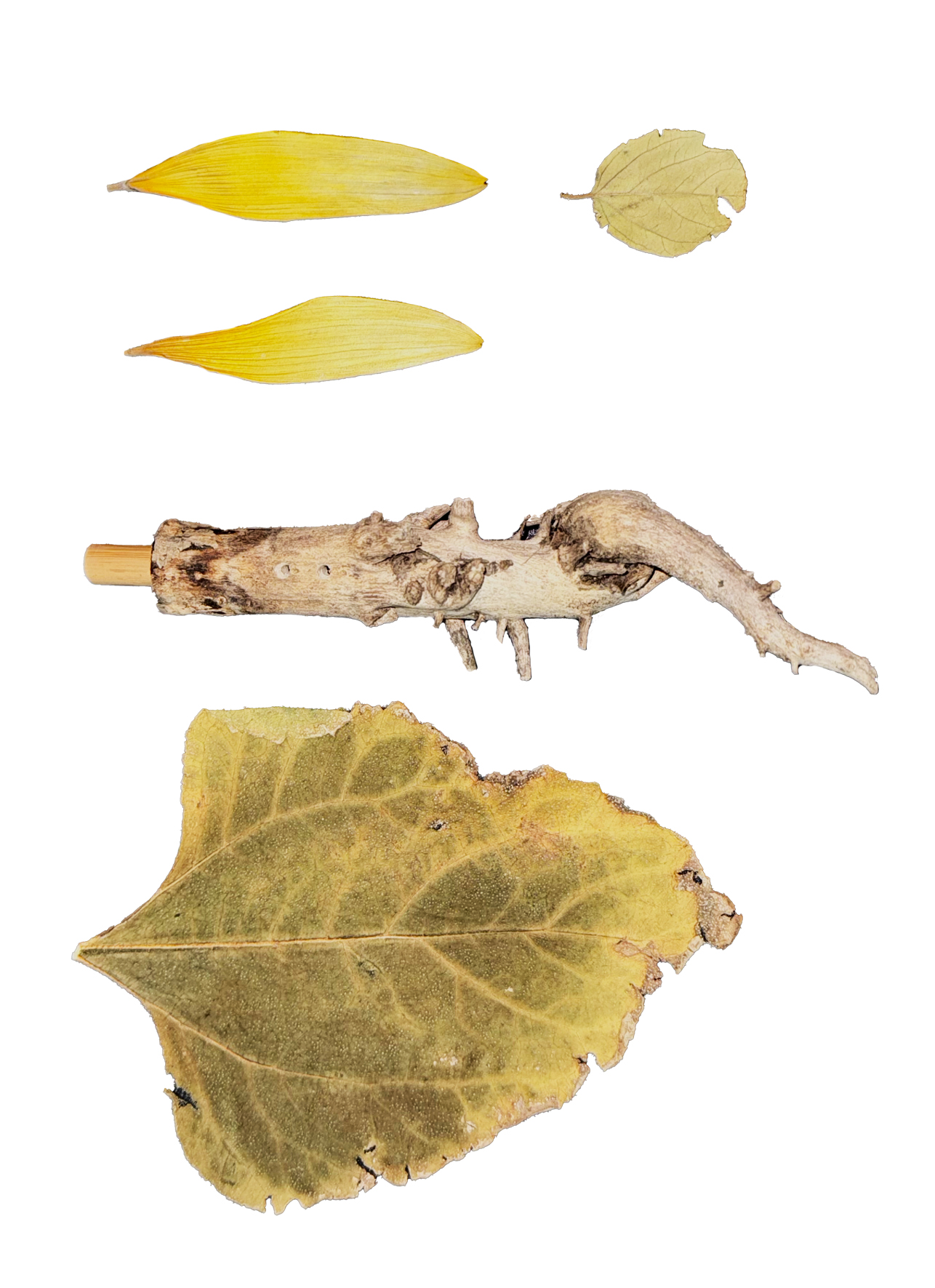
Petals from the first batch of mature sunflowers and leaves from a wild caper plant growing nearby;
an experimental sound instrument made from sunflower roots.
Over the past two years, regional conditions and site circumstances have continued to shift. In the midst of these changes, the support of various individuals and institutions has made it possible for Camouflage Syndrome to continue.
During the Syria-based phase of the project, field research and sample analysis were carried out under multiple constraints. Research on potentially toxic elements in the soils of north-west Syria by Miassar Alhasan et al. (2023) offered an important background and point of reference for this work.
I am grateful to the United Nations Mine Action Service for the valuable exchange during the project’s early stages.
Part of the project’s technical support was provided by Guizhou MangShu Testing Technology Co., Ltd.
Thanks to botanist Moe Abbas of Utrecht University’s Plant Stress Resilience group for his generous guidance and support.
Special thanks to the Sailor Program of the One Way Street Foundation for its support.
